United States
United States
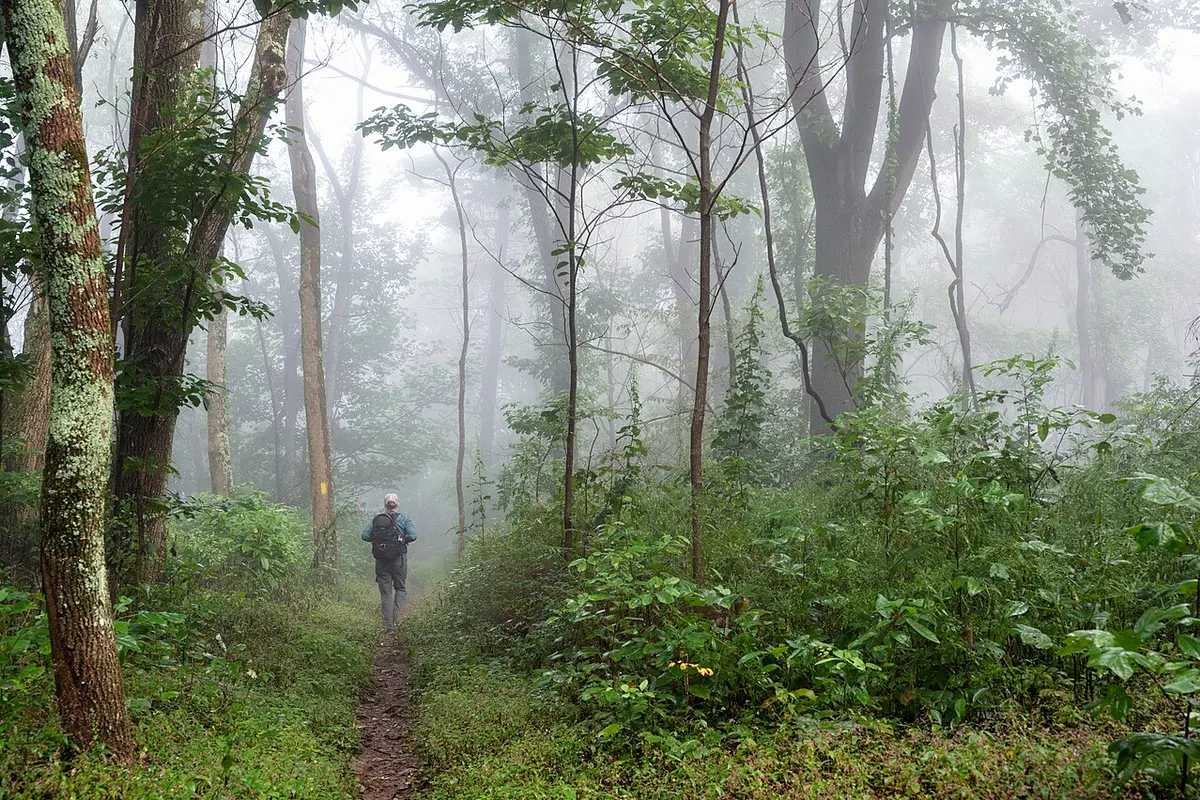
Blue Ridge Mountains
89/100
April · September · October
↕759 m✓12/12 months
Explore destination →9 destinations across 2 countries, from 495 to 1191 metres, ranked by their strongest scored month.
How many of the 9 destinations clear the recommendation gate in each month.
April · September · October
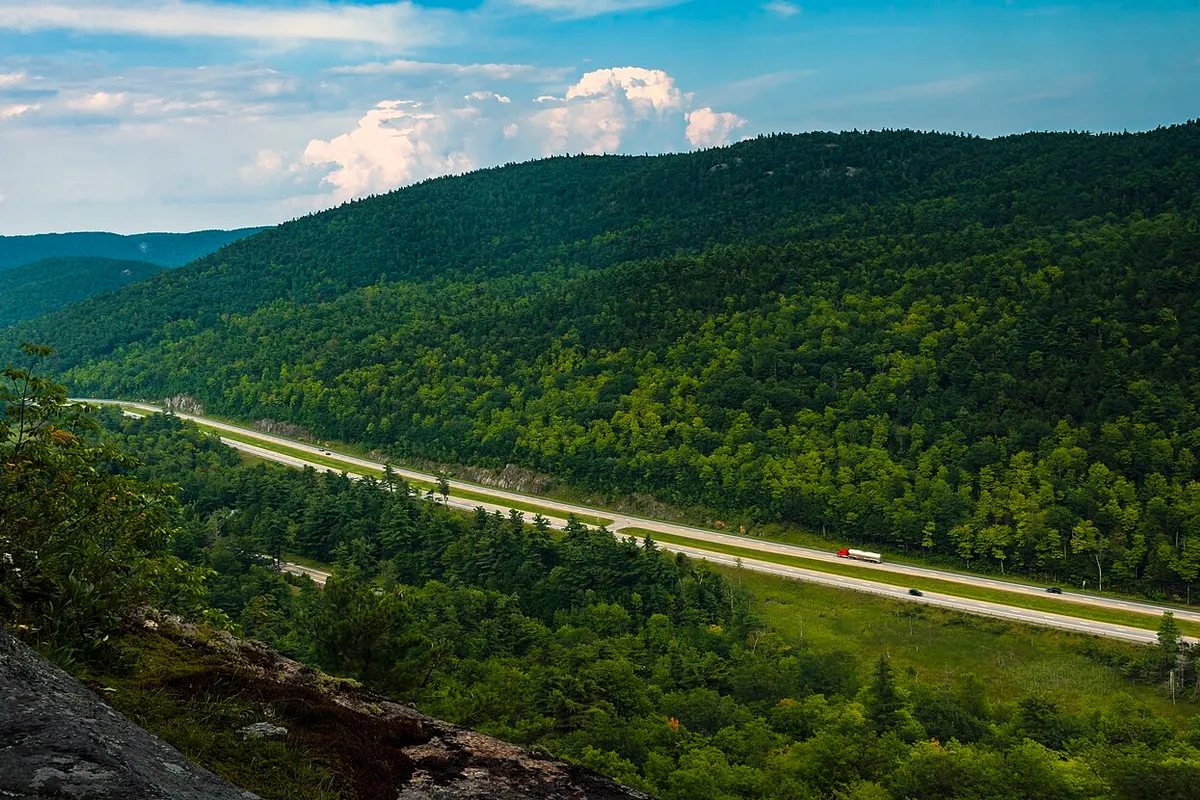

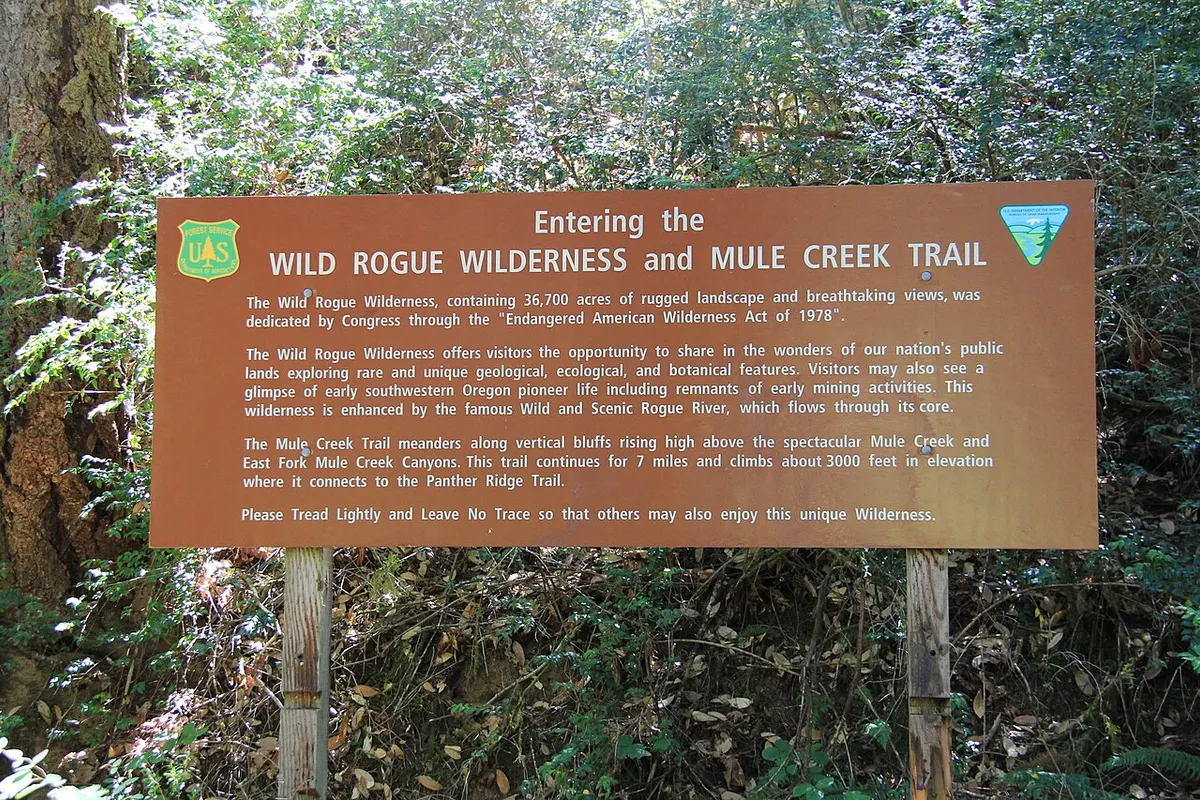
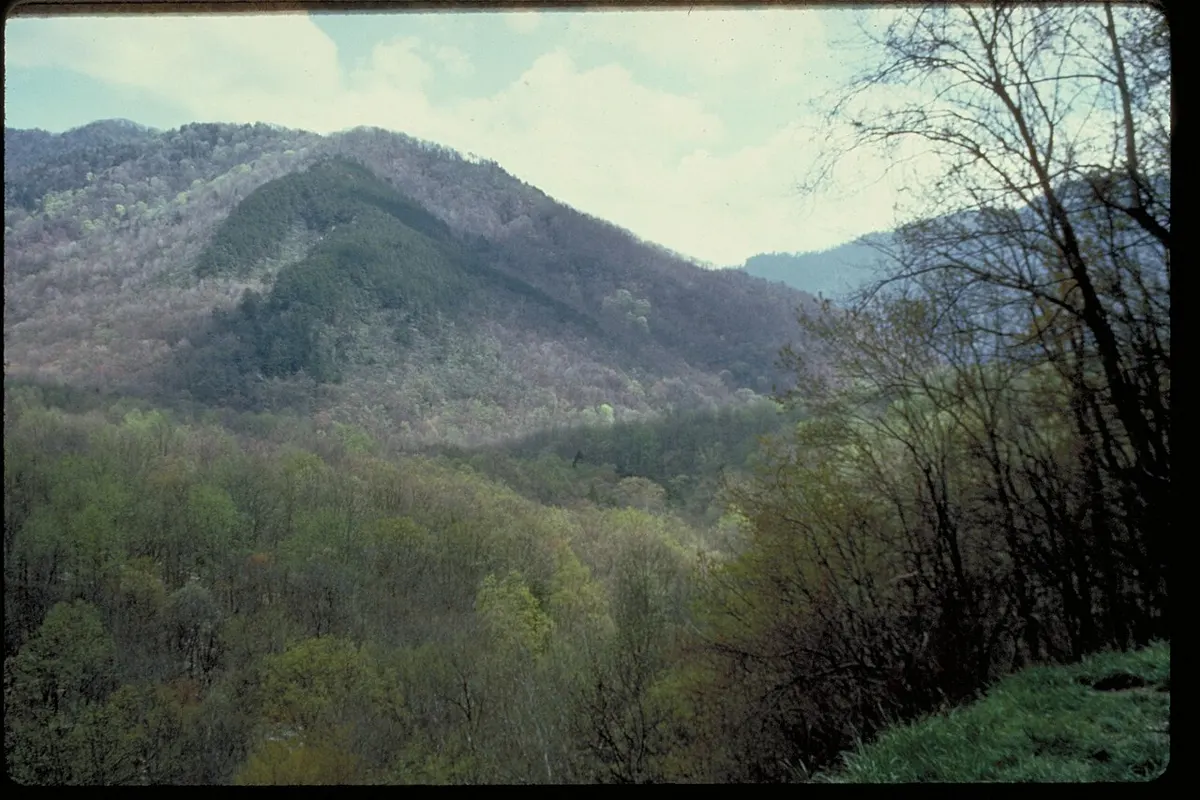
May · September · October
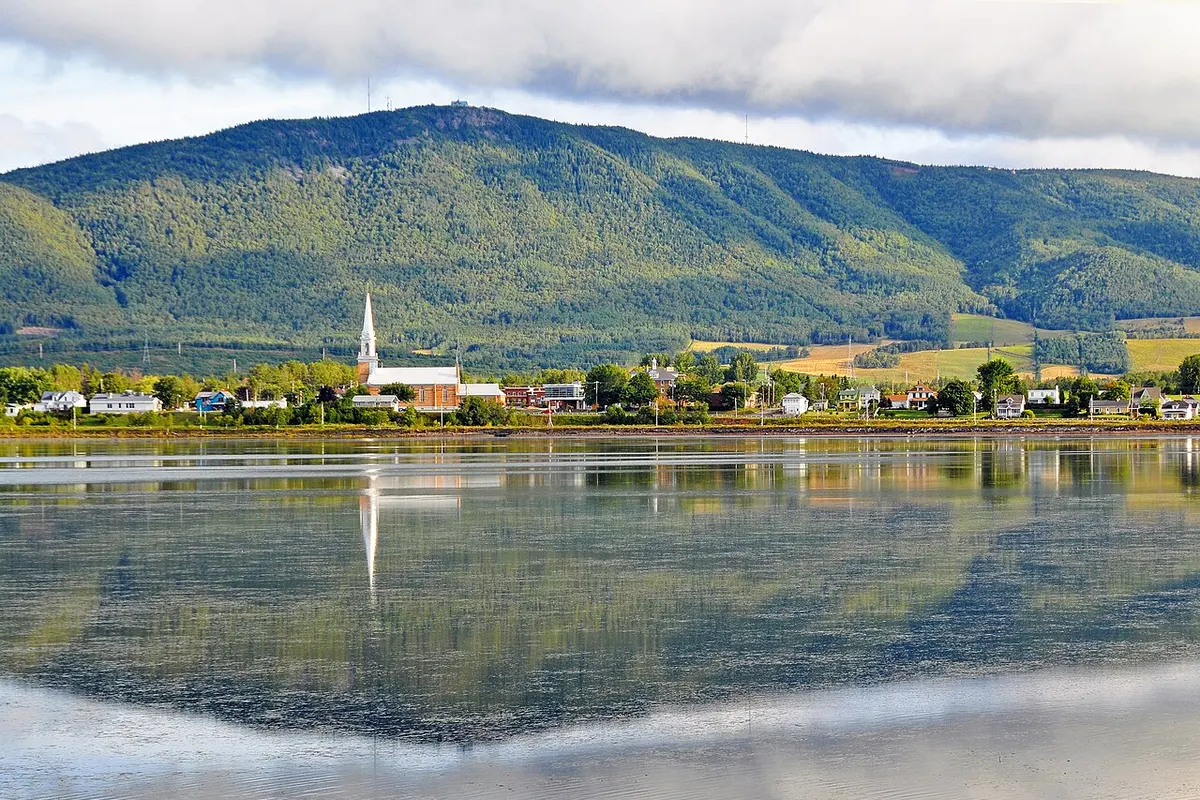
From June to October, all 9 destinations clear our recommendation criteria. The area is quietest in January, with 1 of 9.
Averaged across the destinations, July is the warmest month at 21 degrees in the hiking window and January the coldest at -5.
The selected grid cells run from 495 metres at Cape Breton Highlands to 1,191 metres at Great Smoky Mountains, with a median of 715 metres. Cape Breton Highlands clears the criteria in 6 months (from May to October), Great Smoky Mountains in 11 months (all year except January).
The longest season belongs to Blue Ridge Mountains, at 12 months (all year); the shortest to Gaspésie, at 5 months (from June to October).
Where a destination loses months, a critical climate component falls below the threshold at which we stop recommending a month. The main reason is snow cover for 8 of the 9 destinations. 1 is recommendable in all twelve months.
In January, the quietest month, 8 of 9 destinations are closed, all of them by snow cover.
September is when the open destinations score highest on average. Hiking-window temperature then runs from 12 degrees at Gaspésie to 20 at Blue Ridge Mountains, and rain falls on 33 to 45 percent of days depending on the destination.
Each destination is described by one selected ERA5-Land grid cell, averaged over 1991 to 2025. The figures above summarise those 9 cells. They are not a map of the whole area or of any route, and they are not a forecast.